
Termites
Treatment:
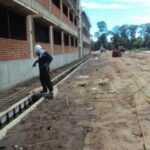
This is a traditional method of termite treatment for controlling subterranean termites that have invaded a building to inject enough residual liquid insecticide (termiticide) formulation into the soil immediately surrounding and underlying the foundation and footing of the building to create a toxic chemical barrier to the termites.
This treatment will provide a chemical barrier to prevent invasion by incoming subterranean termites from the outside source to gain entry to the structure. Further, this will eliminate existing termite population, if there are still active colonies, which were not detected during the ocular inspection.
Information on Termites:
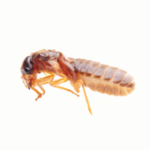
Length: Approximately 6-11mm
Colour & Description: Reproductives can be winged (primary) or wingless (secondary). Primary reproductives are coal black to pale yellow-brown, with grey/brown wings. Secondary reproductives are white to cream-colored with short wing buds. Termite workers are wingless and greyish-white. Soldiers resemble workers except that they have large, well-developed brownish heads with strong mandibles
Habits & Habitat: Termites are attracted by their primary food source, cellulose. They often infest buildings and damage lumber, wood panels, flooring, wallpaper, paper products etc. They have the ability to cause serious structural damage and in the worst cases total collapse of the building.
Life cycle: Workers and soldiers live approximately one to two years. Queen termites may survive for over 25 years under optimal conditions
Reproduction rate: A mature queen can lay thousands of eggs each year. During the two-week incubation period, eggs are tended to by the worker termites. The nymph hatches directly from the egg. Attendants feed nymphs regurgitated food for the first two weeks, enabling them through molting to become workers, soldiers, reproductives or supplementary reproductives (depending on the needs of the colony).
Gallery