
Moth Control
Treatment:
Our experts specialize in identifying the specific type of moth causing your issue. Utilizing the most effective methods, such as targeted sprays or fumigation, they ensure thorough elimination. This approach is particularly crucial for delicate items like clothing and carpets, where moth eggs and larvae may hide beyond visibility and laundering reach. Moths, along with their minuscule eggs and larvae, can easily evade detection, especially in wool-rich carpets. Acting swiftly upon suspicion of an infestation is paramount, as moths can wreak havoc on valuable textiles. At Katlego Hygiene, we offer comprehensive moth control services to safeguard your home or business. We employ various proven methods tailored to your situation, ensuring optimal results at strategic times. Contact us for expert guidance on moth control tailored to your premises. Explore our range of comprehensive services to address all your pest management needs. Covering all areas of Gauteng, our moth control and elimination service is readily available. Moths, akin to butterflies, are primarily active during the night. Contrary to popular belief, most adult moths do not consume anything, leaving fabric destruction to their voracious larvae, particularly those made from natural materials like wool or silk. Given moths’ resilience to pesticides, combating infestations often necessitates professional intervention. Unlike mosquitoes or flies, moths demand more rigorous pest control measures to effectively manage their populations
Information on moths:
Moth Species
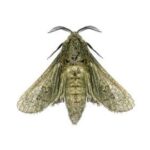
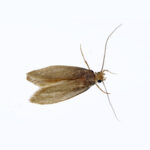
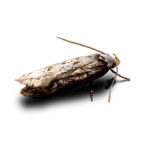
More than 2,500 species of moth have been recorded in South Africa. Most moths live only a few days, but some hibernating species can live for up to 8 months. Listed below are the moth species that can commonly be found within South Africa.
The various species of moths There are approximately 800 various species of moths throughout South Africa. It is fortunate that the pesticides that we utilize for moth control and the eradication of them are effective on all species found here. Some Moths you may encounter:
- Clothes Moths
- Codling Moths
- Gypsy Moths
- House Moths
- Indian Meal Moths
- Light Brown Apple Moths
- Mill Moths
- Warehouse Moths
In South Africa, most moths are regarded as pests because of the havoc their larvae wreak on materials, textiles, and stored goods. While they don’t pose direct health risks like other pests, moths can inflict significant damage once they infiltrate your home or business. Once indoors, moths have a knack for targeting natural fibers in carpets, clothing, fabrics, fur, and even leather. The culprits behind this damage are moth caterpillars, which feed on the protein, specifically keratin, abundant in natural materials such as wool, cotton, and silk. Consequently, delicate items are particularly vulnerable to their voracious appetites.
FACT: Moths don’t eat fabric, their main purpose is to reproduce, and it’s their larvae that do all the damage.
In South Africa, there are 4 species of moth found in homes that can cause problems and these moths have differing preferences for materials, which means their larvae cause slightly different damage to fabrics and materials, for example:
- Common clothes moth larvae cause irregularly shaped holes in fabrics
- Case-bearing clothes moth larvae create smaller, more regularly shaped holes in garments
- Brown house moth larvae tend to prefer animal-based materials like feathers and leather
- White shouldered house moth larvae scavenge on a wide range of food, so are a little less damaging to textiles
The first thing most people notice is the damage caused to clothes, fabrics or carpets but there are other indicators of a moth infestation:
- Small maggot like larvae (moth caterpillars).
- Silken tubes or cases in which the moth larvae live.
- Pupae (silk cocoons) from which larvae emerge as moths.
- Adult moths often crawling rather than flying.
Gallery