
Rodents and Mice
Treatment:
Our rodent control services in Gauteng offer proven effectiveness at highly competitive rates. Our approach begins with pinpointing their habitats and then swiftly eliminating them from your premises. Even if you’ve only spotted one or two rats, there’s a high likelihood of a larger infestation lurking within your property boundaries.
The presence of rodents near or within your premises warrants immediate action, and Katlego Hygiene stands ready to assist. Rodents pose significant health risks, capable of transmitting diseases such as Weil’s disease, cholera, typhus, and even the bubonic plague. Moreover, their penchant for gnawing on electrical cables can lead to fires, exacerbating the threat they pose.
We offer a range of rodent control methods tailored to the specific needs of your situation. Our process typically involves an initial visit to evaluate the extent of the infestation, followed by a detailed report and competitive quotation for our services. While baits may be utilized, we exercise caution to ensure the safety of your family and pets, providing expert guidance throughout the process. Mice, with their ability to squeeze through minute gaps, require thorough property inspections to identify and seal potential entry points promptly.
If you’re grappling with a mouse infestation, our experienced and professional mice removal service in Gauteng is at your disposal. Katlego Hygiene stands as the premier choice for rodent and mice control throughout Gauteng. Our specialized treatments are designed to eradicate infestations and deter future incursions effectively. Encounters with common rodent species, such as Rattus Norvegicus or the Norway rat, demand immediate attention. These omnivorous and adaptive creatures reproduce rapidly and can cause extensive property damage. Whether for households or businesses, rodent infestations present serious health hazards and require swift intervention to mitigate risks effectively.
Understanding the behavior and habitat preferences of Norway rats is crucial for effective control and prevention strategies in both urban and rural environments. Regular inspections, proper sanitation practices, and prompt treatment of infestations can help mitigate their presence and reduce associated risks
Information on Rodents and Mice:
Norway Rat
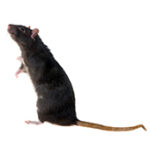
The Norway rat (Rattus norvegicus), also known as the brown rat, sewer rat, or common rat, is a widespread and adaptable rodent species. Here’s some information about them:
Appearance: Norway rats are relatively large rodents, typically measuring around 7 to 10 inches (18 to 25 centimeters) in length, not including their tail. They have brown or grayish-brown fur, small ears, and a blunt muzzle. Their tail is shorter than their body and is scaly, rather than furry, unlike some other rat species.
Habitat: Norway rats are highly adaptable and can be found in a variety of habitats, including urban areas, agricultural fields, forests, and sewers. They are burrowing animals and often create elaborate underground tunnel systems for shelter and nesting. They can also inhabit buildings, basements, and crawl spaces, where they seek food and warmth.
Behavior: Norway rats are primarily nocturnal, meaning they are most active during the night. They are omnivorous scavengers, feeding on a wide range of food items including grains, fruits, vegetables, meats, and garbage. They have keen senses of smell, touch, and taste, which help them locate food sources and navigate their environment.
Reproduction: Female Norway rats can produce several litters of offspring each year, with each litter typically containing 6 to 12 pups. The gestation period is around 21 to 23 days, and the young are weaned at about 3 to 4 weeks old. Norway rats reach sexual maturity at around 2 to 3 months of age, contributing to their rapid population growth.
Ecological Impact: Norway rats can have significant ecological impacts, particularly in urban environments where they can become pests. They can damage property, contaminate food, spread diseases, and compete with native species for resources. Their burrowing activities can undermine structures and cause damage to foundations and infrastructure.
Control: Controlling Norway rat populations often involves a combination of sanitation, exclusion, and baiting or trapping. Since they are burrowing animals, sealing entry points and eliminating harborage sites is essential for prevention. Baits and traps can be used to reduce existing populations, but it’s important to use them responsibly to minimize risks to non-target species and pets.
Roof Rat
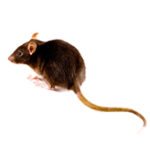
The roof rat (Rattus rattus), also known as the black rat or ship rat, is a species of rodent that is commonly found in various parts of the world. Here’s some information about them:
Appearance: Roof rats typically have sleek, black, or dark brown fur, although their coloration can vary. They have relatively large ears and a long, slender body, with a tail that is longer than their body. This distinguishes them from Norway rats, which have shorter tails.
Habitat: Roof rats are highly adaptable and can be found in both urban and rural areas, often inhabiting elevated areas such as roofs, attics, trees, and shrubs. They are agile climbers and are known for their ability to access buildings and structures by climbing along wires, pipes, and tree branches.
Behavior: Roof rats are primarily nocturnal, meaning they are most active during the night. They are omnivorous scavengers, feeding on a wide range of food items including grains, fruits, seeds, insects, and garbage. They are agile and quick, which allows them to evade predators and access food sources.
Reproduction: Female roof rats can produce several litters of offspring each year, with each litter typically containing 5 to 8 pups. The gestation period is around 21 to 23 days, and the young are weaned at about 3 to 4 weeks old. Roof rats reach sexual maturity at around 2 to 3 months of age, contributing to their rapid population growth.
Ecological Impact: Roof rats can have significant ecological impacts, particularly in urban environments where they can become pests. They can damage property, contaminate food, spread diseases, and compete with native species for resources. Their presence can also lead to economic losses in agricultural settings.
Control: Controlling roof rat populations often involves a combination of sanitation, exclusion, and baiting or trapping. Since they are agile climbers, sealing entry points and eliminating harborage sites is essential for prevention. Baits and traps can be used to reduce existing populations, but it’s important to use them responsibly to minimize risks to non-target species and pets.
House Mouse
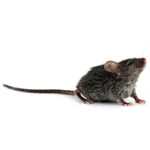
The house mouse (Mus musculus) is one of the most common and widely distributed rodent species worldwide, including urban, suburban, and rural areas. Here’s some information about them:
Appearance: House mice are relatively small rodents with slender bodies, typically measuring around 2.5 to 3.75 inches (6 to 10 centimeters) in length, not including their tail. They have pointed snouts, large ears, and relatively long tails that are usually as long as or slightly shorter than their body. Their fur color can vary, but they are often gray or brown with lighter undersides.
Habitat: House mice are highly adaptable and can be found in a wide range of habitats, including homes, barns, warehouses, fields, and forests. They are particularly common in areas where humans live and store food, as they are opportunistic feeders and will readily consume a variety of food items.
Behavior: House mice are primarily nocturnal, meaning they are most active during the night. They are omnivorous scavengers, feeding on a wide range of food items including grains, seeds, fruits, vegetables, insects, and even household garbage. They are agile climbers and can squeeze through small openings to access buildings and structures.
Reproduction: Female house mice can reproduce rapidly, with each female capable of producing several litters of offspring each year. The gestation period is around 19 to 21 days, and each litter typically contains 5 to 6 pups. The young are born hairless and blind, but they develop quickly and are weaned at around 3 to 4 weeks old.
Ecological Impact: House mice can have significant ecological impacts, particularly in agricultural settings where they can damage crops and contaminate food supplies. They can also spread diseases to humans and other animals through their urine, droppings, and parasites.
Control: Controlling house mouse populations often involves a combination of sanitation, exclusion, and baiting or trapping. Since they are agile climbers and can squeeze through small openings, sealing entry points and eliminating harborage sites is essential for prevention. Baits and traps can be used to reduce existing populations, but it’s important to use them responsibly to minimize risks to non-target species and pets.
Bait Station Placement
Where a bait station, or more likely a group of stations, is located has a lot to do with a successful rodent control effort. As a pest management professional, you need to know where the rats or mice are nesting, traveling, and feeding.
Bait station placement based on rodent behavior is critical to successful rodent control.
Gallery